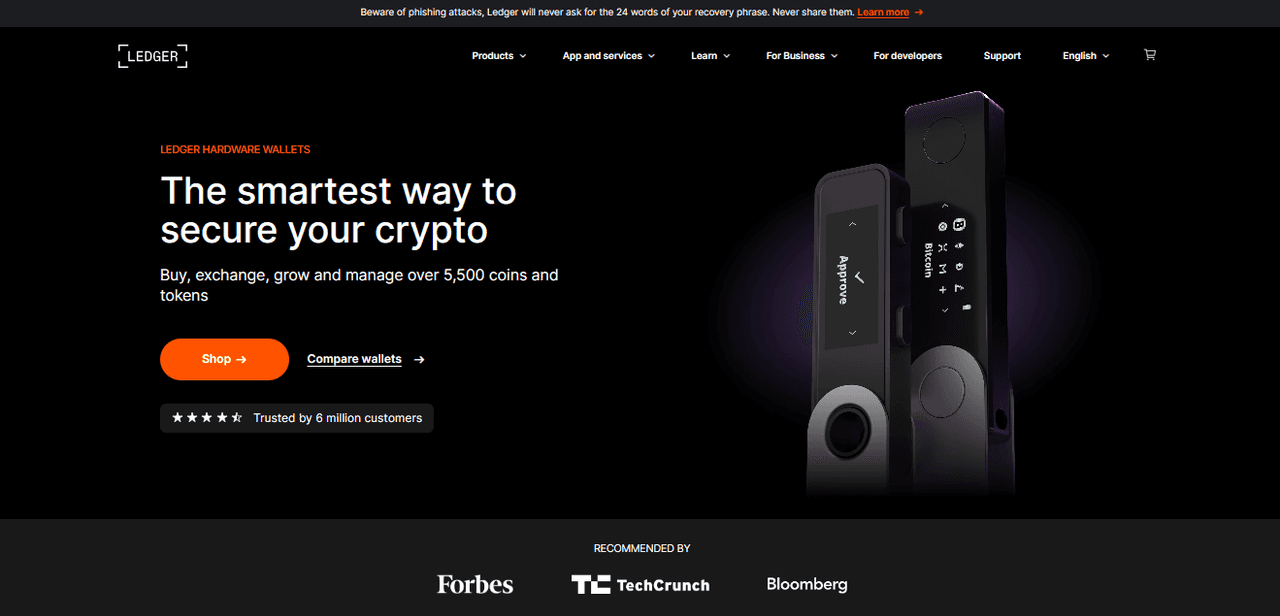
Ledger Live Login Overview and Secure Access Guide
Ledger Live login is the process that allows users to access the Ledger Live application and manage cryptocurrency assets with the help of a Ledger hardware wallet. Ledger Live is not a typical online platform with usernames and passwords. Instead, it is a secure interface that works directly with a physical device to ensure that private keys remain protected at all times.
This content explains how Ledger Live login works, how users access the app on different devices, what security layers are involved, and how to maintain safe access to crypto holdings.
What Is Ledger Live and Why Login Matters
Ledger Live is the official software created by Ledger to help users interact with blockchain networks through their Ledger hardware wallets. It allows users to track balances, receive and send cryptocurrencies, install blockchain applications, stake assets, and manage multiple accounts from one interface.
The login process is important because it controls access to the Ledger Live interface and ensures that only authorized users can initiate actions. However, it is important to understand that Ledger Live itself does not store private keys or funds. All sensitive data remains on the hardware wallet.
Meaning of Ledger Live Login
Ledger Live login does not mean signing into an online account. There is no registration process, no email address, and no password stored on Ledger servers. Instead, login refers to unlocking the Ledger Live app locally and connecting a Ledger device to authorize access.
The process involves two layers:
Accessing the Ledger Live application
Unlocking the Ledger hardware wallet
This model removes dependence on centralized systems and significantly reduces security risks.
Ledger Live Application Access
When Ledger Live is opened on a computer or mobile device, users may be prompted to enter an application password. This password is optional but recommended. It protects the app from unauthorized viewing if someone else gains access to the device.
The application password only secures the Ledger Live interface. It does not give access to cryptocurrency funds and cannot be used to approve transactions.
If the application password is forgotten, Ledger Live can be reinstalled and accounts can be added again using the hardware wallet.
Hardware Wallet Verification
The core of the Ledger Live login process is the Ledger hardware wallet. To fully access accounts and perform actions, the device must be connected and unlocked with the correct PIN.
All sensitive operations require physical confirmation on the Ledger device. This means transactions must be reviewed and approved using the device’s buttons or touchscreen. Even if Ledger Live is open, no funds can be moved without the device.
Ledger Live Login on Desktop Systems
Ledger Live desktop is commonly used for full account management and device maintenance. It supports Windows, macOS, and Linux systems.
Desktop login steps include:
Opening the Ledger Live application
Entering the app password if enabled
Connecting the Ledger device via USB
Unlocking the device with the PIN
Accessing account data and features
Once logged in, users can install crypto apps, add accounts, update firmware, and manage assets securely.
Ledger Live Login on Mobile Devices
Ledger Live mobile allows users to access their crypto portfolios from smartphones. It uses Bluetooth technology to connect compatible Ledger devices.
Mobile login process:
Open the Ledger Live mobile app
Unlock the app using a password or biometric method
Power on the Ledger device
Enter the device PIN
Pair the device via Bluetooth
Confirm the connection on the device
After login, users can check balances, receive assets, and send transactions while maintaining the same level of security as desktop use.
App Password and Device PIN Explained
There are two different security codes involved in Ledger Live login, and they serve separate functions.
Ledger Live app password:
Protects the application interface
Prevents unauthorized access to portfolio data
Can be changed or removed
Does not secure private keys
Ledger device PIN:
Unlocks the hardware wallet
Protects private keys
Required for transaction approval
Cannot be bypassed
The device PIN is the most important security element in the Ledger ecosystem.
No Account-Based Login System
Ledger Live does not use account-based login systems. Users are not required to create profiles or submit personal information. There is no password recovery through email and no cloud account to manage.
Advantages of this approach include:
Full ownership of assets
No centralized user database
Reduced exposure to hacking attempts
Independence from third-party services
Ledger Live functions as a local application that interacts with blockchain networks through the user’s device.
Recovery Phrase and Access Restoration
The recovery phrase is a 24-word backup generated during Ledger device setup. It is not part of the daily login process but is essential if the device is lost or reset.
Important recovery phrase rules:
Never enter it into Ledger Live
Never share it with anyone
Never store it online
Use it only on a Ledger device
The recovery phrase provides full access to assets, so it must be protected at all times.
Ledger Live Login Errors and Solutions
Some users experience login-related issues, usually due to connection or setup problems.
Common issues include:
Device not recognized by Ledger Live
Bluetooth pairing failures
Application freezing
Forgotten app password
Solutions often include:
Restarting the application
Reconnecting the device
Updating Ledger Live
Reinstalling the app if needed
Assets remain safe during these issues as long as the recovery phrase is secure.
Security Tips for Ledger Live Login
To maintain a safe login experience, users should follow essential security practices:
Install Ledger Live only from official sources
Keep the Ledger device PIN private
Lock the Ledger Live app when not in use
Verify transaction details on the device screen
Ignore unsolicited messages asking for recovery phrases
Regularly update firmware and software
Ledger will never request sensitive information through email or pop-ups.
Using Ledger Live Across Multiple Devices
Ledger Live can be installed on multiple computers and smartphones. Each installation operates independently but connects to the same Ledger device.
This allows users to:
Access assets from different locations
Use different app passwords
Maintain control without syncing accounts
All access is still dependent on the physical Ledger device.
Ledger Live Login and User Privacy
Ledger Live is designed with privacy in mind. It does not require identity verification or personal details. Blockchain data is accessed without linking it to a user profile.
To enhance privacy:
Avoid public computers
Use secure internet connections
Keep the app locked when inactive
This privacy-focused design makes Ledger Live suitable for users who value control and anonymity.
Comparison With Exchange Logins
Ledger Live login is fundamentally different from logging into an exchange.
Exchange login:
Uses email and passwords
Assets held by third parties
Risk of account suspension or hacking
Ledger Live login:
No email or user account
Assets held by the user
Physical confirmation required
This distinction is why Ledger Live is widely used for self-custody rather than trading.
Conclusion
Ledger Live login is a secure, hardware-based access system that prioritizes user control and asset protection. Instead of relying on traditional online credentials, it uses local app security and physical device verification to safeguard cryptocurrencies.
By understanding how Ledger Live login works and following proper security practices, users can confidently manage digital assets without relying on centralized platforms. Ledger Live represents a self-custody approach where ownership, privacy, and security remain entirely in the hands of the user.