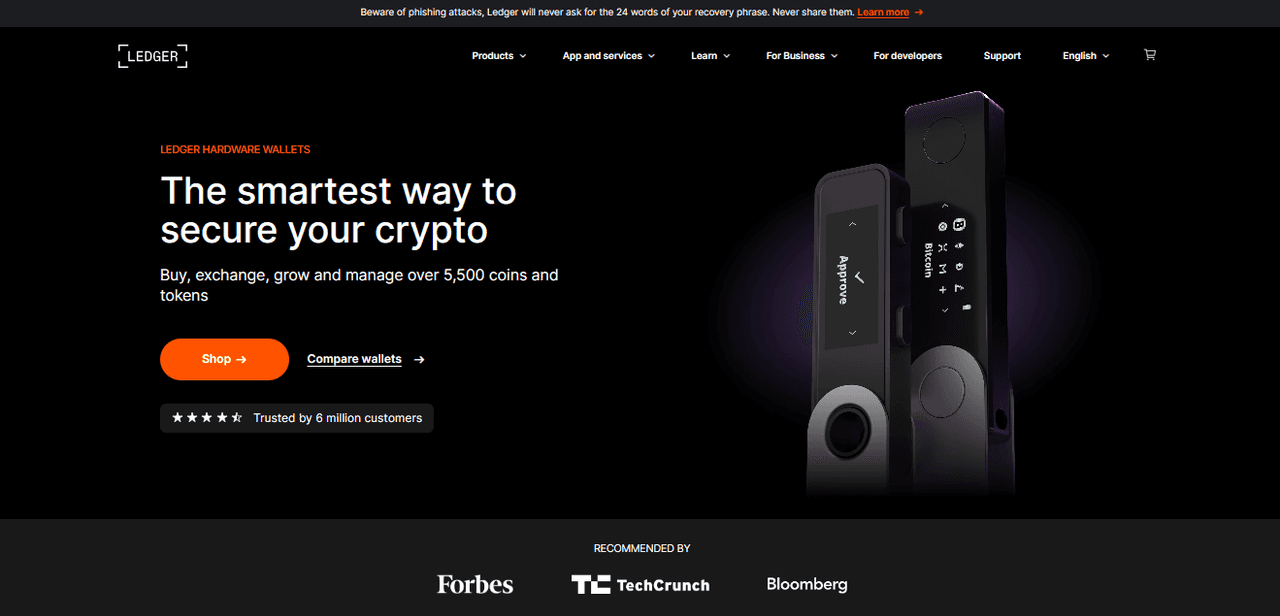
Ledger Live Login: A Complete Guide for Secure Access and Management
Ledger Live login is the gateway to managing your cryptocurrency assets safely using Ledger hardware wallets. Ledger Live is the official companion application developed by Ledger, designed to help users securely view balances, send and receive crypto, install apps, manage accounts, and access additional features such as staking and portfolio tracking. Understanding how the Ledger Live login process works is essential for both beginners and experienced crypto users, as it plays a key role in maintaining security and control over digital assets.
This content explains the Ledger Live login process in detail, including setup, security principles, common login scenarios, troubleshooting tips, and best practices. It is written in plain text to ensure clarity and accessibility.
Introduction to Ledger Live
Ledger Live is a desktop and mobile application that works alongside Ledger hardware wallets such as Ledger Nano S Plus, Ledger Nano X, and Ledger Stax. Unlike traditional accounts that require usernames and passwords, Ledger Live login relies on cryptographic authentication using your hardware wallet. This design eliminates many risks associated with centralized logins and password-based systems.
When you log in to Ledger Live, you are not logging into an online account hosted on a server. Instead, you are unlocking local access to the application and confirming sensitive actions using your physical Ledger device. Your private keys never leave the hardware wallet, which is the foundation of Ledger’s security model.
What Ledger Live Login Really Means
The term “Ledger Live login” can be misleading to new users. There is no traditional login with an email and password combination. Instead, Ledger Live login involves the following components:
Unlocking the Ledger Live application on your device
Connecting and unlocking your Ledger hardware wallet
Verifying actions using the wallet’s buttons or touchscreen
Ledger Live itself can be protected by a password or PIN that you set during installation. This password only protects access to the application interface on your computer or phone. It does not control your crypto assets. Your assets are controlled exclusively by the private keys stored in your Ledger device and protected by the device PIN and recovery phrase.
Ledger Live Login on Desktop
Ledger Live is available for Windows, macOS, and Linux. The desktop login experience is commonly used for advanced account management and firmware updates.
Step-by-step desktop login process:
Download and install Ledger Live from the official Ledger website.
Launch the Ledger Live application.
Enter the Ledger Live app password if you have set one.
Connect your Ledger hardware wallet to your computer using a USB cable or Bluetooth (depending on the device).
Enter the PIN on your Ledger device to unlock it.
Ledger Live will automatically detect the device and allow access to your accounts.
Once logged in, you can view your portfolio, install or uninstall crypto apps on your device, add new accounts, and initiate transactions.
Ledger Live Login on Mobile
Ledger Live mobile is available for Android and iOS. Mobile login is designed for convenience while maintaining strong security.
Mobile login process:
Install Ledger Live from the App Store or Google Play Store.
Open the app and set a Ledger Live password or enable biometric security such as fingerprint or face recognition.
Turn on Bluetooth on your smartphone.
Power on and unlock your Ledger hardware wallet using the PIN.
Pair the device with Ledger Live via Bluetooth.
Confirm the pairing on both the phone and the Ledger device.
After successful pairing, you can access your accounts, check balances, send and receive crypto, and monitor your portfolio directly from your mobile device.
Ledger Live App Password vs Device PIN
Understanding the difference between the Ledger Live app password and the Ledger device PIN is critical.
Ledger Live app password:
Protects the application interface on your computer or phone
Prevents unauthorized users from viewing balances or transaction history
Can be changed or removed from the app settings
Does not protect private keys
Ledger device PIN:
Unlocks the hardware wallet itself
Required to approve transactions and access private keys
Entered directly on the Ledger device
If entered incorrectly too many times, the device resets
Both layers work together to enhance security, but the device PIN is the most important element in the Ledger Live login process.
No Email or Account-Based Login
One of the strongest aspects of Ledger Live login is that it does not require creating an online account. There is no email registration, username, or cloud-based password. Ledger does not store your private keys, account balances, or transaction data on centralized servers.
This means:
There is nothing for hackers to “log into” remotely
No password database can be breached
Your assets remain under your full control at all times
Ledger Live operates as a local interface that communicates with blockchain networks while relying on your hardware wallet for cryptographic authorization.
Recovery Phrase and Its Role in Login
The 24-word recovery phrase is not part of the daily Ledger Live login process, but it is essential for account recovery. If your Ledger device is lost, damaged, or reset, you can restore access to your accounts by entering the recovery phrase into a new Ledger device.
Important points:
The recovery phrase should never be entered into Ledger Live or any website
Ledger Live login does not require the recovery phrase
Anyone with access to the recovery phrase can control your assets
Keeping the recovery phrase offline and private is critical for long-term security.
Common Ledger Live Login Issues
Users may occasionally experience issues during the Ledger Live login process. Common problems include:
Ledger device not detected:
Ensure the USB cable is functional
Try a different USB port
Make sure the device is unlocked with the PIN
Restart Ledger Live and reconnect the device
Bluetooth connection problems:
Make sure Bluetooth is enabled on your phone
Keep the device close to the phone
Remove previous Bluetooth pairings and reconnect
Update Ledger Live and device firmware
Forgot Ledger Live app password:
You can reset Ledger Live by reinstalling the app
Accounts can be re-added using the Ledger device
Assets remain safe on the blockchain
Incorrect PIN attempts:
After multiple incorrect PIN entries, the device resets
Recovery requires the 24-word recovery phrase
Security Best Practices for Ledger Live Login
To keep your Ledger Live login secure, follow these best practices:
Always download Ledger Live from the official website or app store
Set a strong Ledger Live app password
Never share your device PIN or recovery phrase
Verify transaction details on the Ledger device screen
Keep your operating system and Ledger Live updated
Beware of phishing emails or fake Ledger Live login pages
Ledger will never ask for your recovery phrase or PIN through email, social media, or pop-ups.
Ledger Live Login and Firmware Updates
Some actions within Ledger Live, such as firmware updates or app installations, require logging in with your device and confirming actions on the hardware wallet.
During firmware updates:
Ledger Live may prompt you to reconnect and unlock your device
You must confirm the update on the device screen
Your accounts remain safe as long as you have your recovery phrase
Firmware updates do not change your Ledger Live login process but may improve security, performance, and compatibility.
Multiple Devices and Ledger Live Login
You can use the same Ledger device with Ledger Live installed on multiple computers or phones. Each installation requires its own Ledger Live app password, but the accounts are derived from the same private keys on the device.
This means:
You can log in to Ledger Live on a new device by connecting your Ledger wallet
No data synchronization between devices is required
Accounts can be added again without risk
This flexibility allows users to manage assets securely across different environments.
Ledger Live Login and Privacy
Ledger Live login respects user privacy by design. The app does not require personal information to function. While Ledger Live may connect to blockchain nodes and Ledger’s infrastructure to fetch balances and updates, it does not link this data to a personal identity.
Users can further enhance privacy by:
Using a VPN
Running Ledger Live on a dedicated device
Avoiding public or shared computers
Privacy-conscious users benefit from the non-custodial and local nature of Ledger Live login.
Ledger Live Login Compared to Exchange Logins
Ledger Live login differs significantly from logging into a cryptocurrency exchange.
Exchange login:
Requires email and password
Assets are held by a third party
Vulnerable to account hacks and withdrawals
Often requires identity verification
Ledger Live login:
No email or password-based account
Assets are held by the user
Transactions require physical confirmation
No identity verification needed
This difference highlights why many users prefer Ledger Live for long-term asset storage and self-custody.
Conclusion
Ledger Live login is a secure, user-controlled process that reflects the core principles of hardware wallet security. Rather than relying on traditional usernames and passwords, Ledger Live uses physical device authentication, local application protection, and cryptographic verification to keep digital assets safe.
By understanding how Ledger Live login works, users can confidently manage their cryptocurrencies while minimizing risks associated with online threats, phishing, and centralized failures. Whether using Ledger Live on desktop or mobile, the login process remains consistent, transparent, and built around the idea that true ownership comes from holding your own private keys.